Why flat roof leaks are hard to find
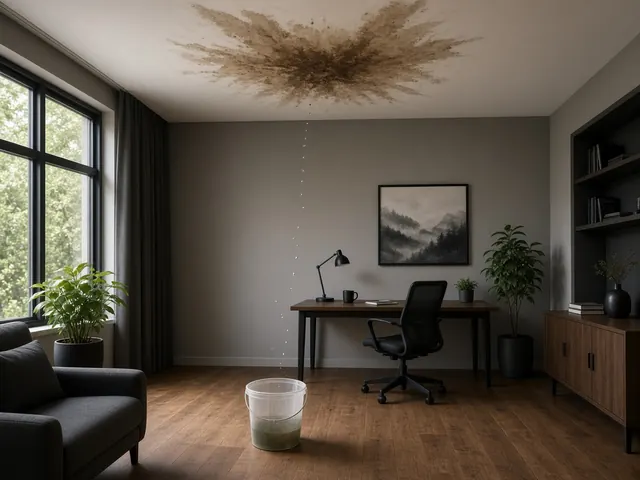
On a low-slope roof, water that gets through the membrane can travel along the top of the insulation, through board joints, along the deck flutes on steel decks, or down a joist before it finds a way into the room below. On a roof with multiple layers it can travel even further.
Start inside
- Mark every stain, drip and damp spot on a simple floor plan.
- Note when each one leaks: every rain, heavy rain only, wind from one direction, snow melt.
- Look up through any access hatch or ceiling tile with a flashlight. On steel decks, follow the flutes.
- Rule out non-roof causes: HVAC condensate lines, plumbing vents and condensation.
Then go outside, safely
Only go onto the roof in dry, calm conditions with safe access, and stay well clear of edges and skylights. Starting upslope of the interior stain, look at:
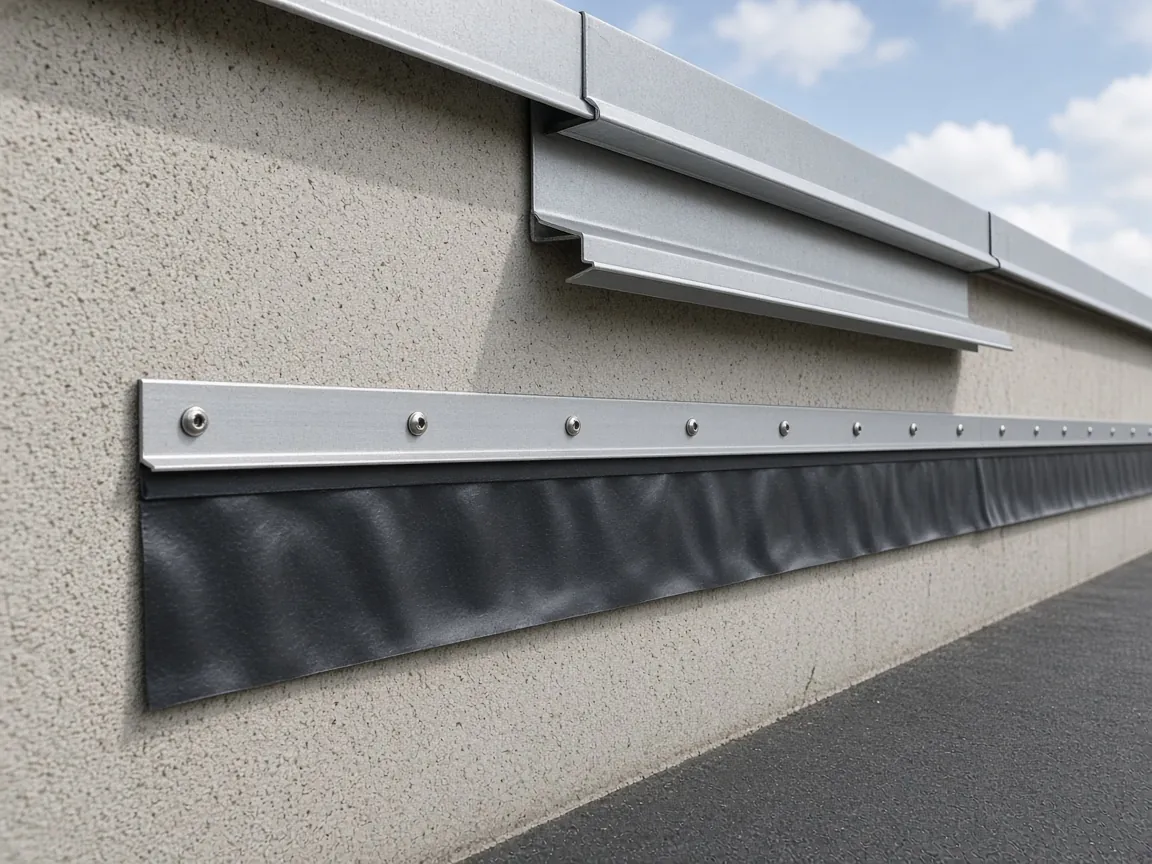
- Every flashing: walls, curbs, pipes, skylights
- Seams and laps, especially where they cross or meet details
- Drains, scuppers and the membrane around them
- Punctures, cuts and blisters
- Coping and edge metal joints
Water testing
A controlled hose test, one detail at a time for 10–15 minutes with a spotter inside, is how professionals isolate a source. Start low and work up, so you don't confuse yourself with water from a detail you already tested.
After you find it
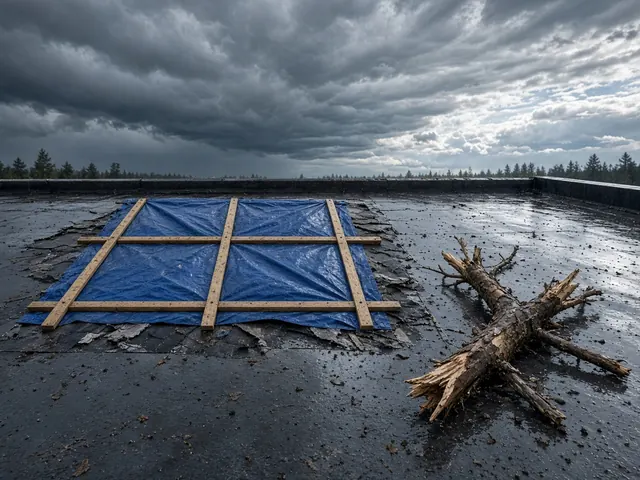
Photograph it, make a temporary repair if needed, and get the permanent repair done with matching materials. Ask whether the insulation around it is wet; if so, it needs replacing.
Frequently asked questions
Can a drone find a flat roof leak?
Drones with thermal cameras can screen large roofs for wet insulation, usually at night. They find wet areas, not necessarily the exact entry point.