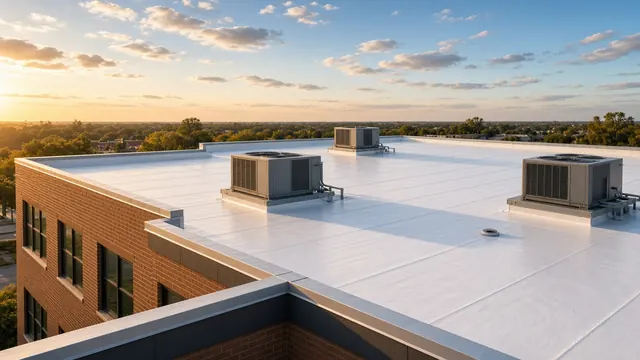
PVC (polyvinyl chloride) single-ply membranes are common on restaurants, food processing and buildings where grease, oils or chemicals reach the roof. PVC and its cousin KEE are heat-welded at the seams, giving strong, monolithic repairs.
Common PVC problems
- Punctures and cuts from rooftop equipment work
- Seam failures at field welds
- Plasticizer loss on very old membranes, making them brittle
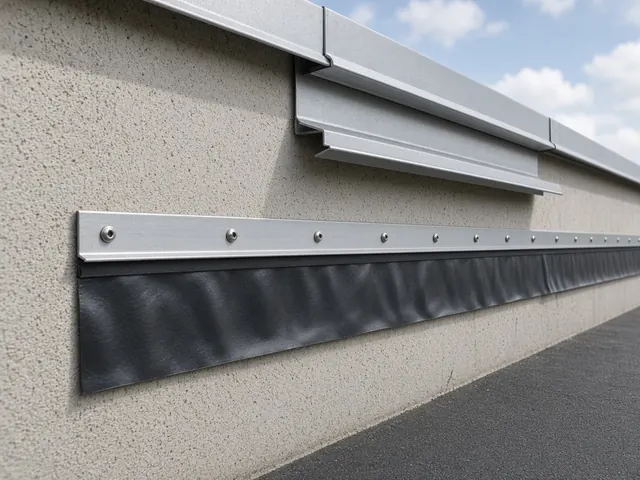
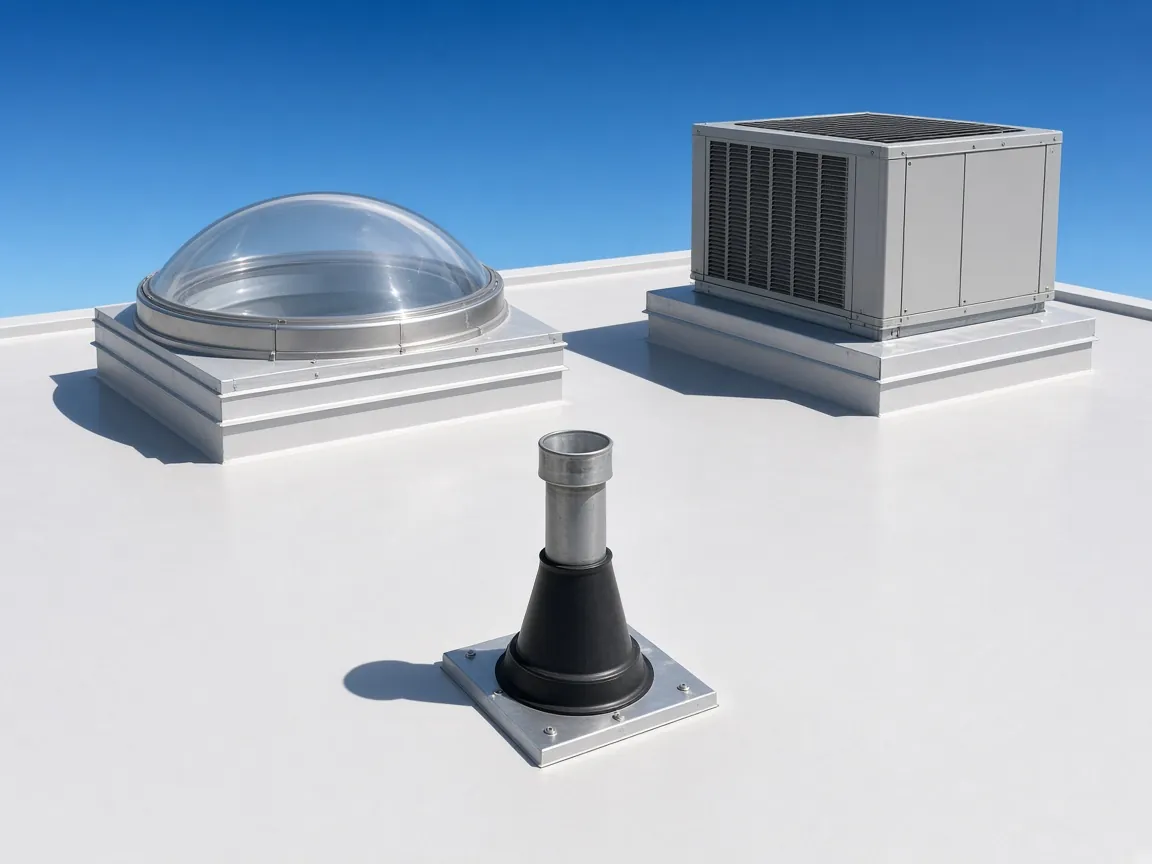
- Flashing failures at curbs and exhaust fans
- Grease damage where non-resistant patches were used
The repair
Clean, dry membrane; a PVC patch with rounded corners; a hot-air weld; then a probe test. On restaurant roofs, grease containment at exhaust fans is part of a lasting fix. Very old, brittle PVC may not weld well, which is a sign the roof is near replacement.
Costs
Patches typically run a few hundred dollars per service visit; replacement runs about $5–$12 per sq ft installed (HomeGuide), with PVC usually the priciest single-ply.
Frequently asked questions
Can PVC and TPO be welded together?
Generally no. They're different polymers. Use the matching membrane, or a manufacturer-approved transition detail.