Snow load
Roofs are designed for local snow loads set by building codes, but drifts against parapets and walls, rain on snow and ice can exceed them. Warning signs include sagging ceilings, sticking interior doors, new cracks in drywall and creaking.
If you see signs of overload, get people out of the area under the roof and call a professional.
Ice at drains and edges
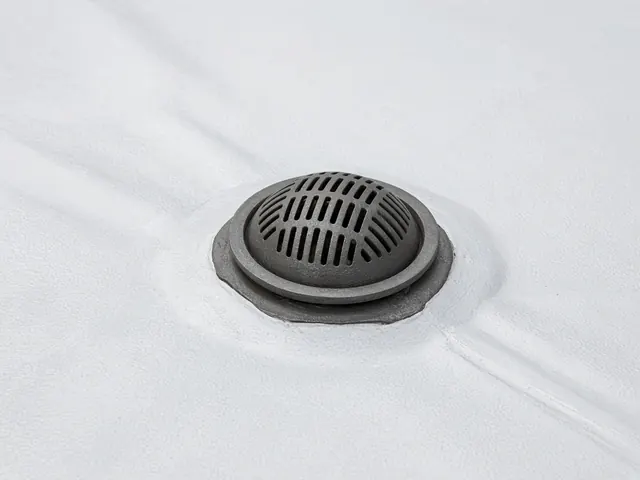
Frozen drains and gutters stop meltwater, which then backs up to seams and flashings that were never designed to be submerged.
Safe snow removal
Use professionals with fall protection and plastic shovels; leave a few inches of snow to protect the membrane; never use picks or metal tools on single-ply roofs.
Prevention
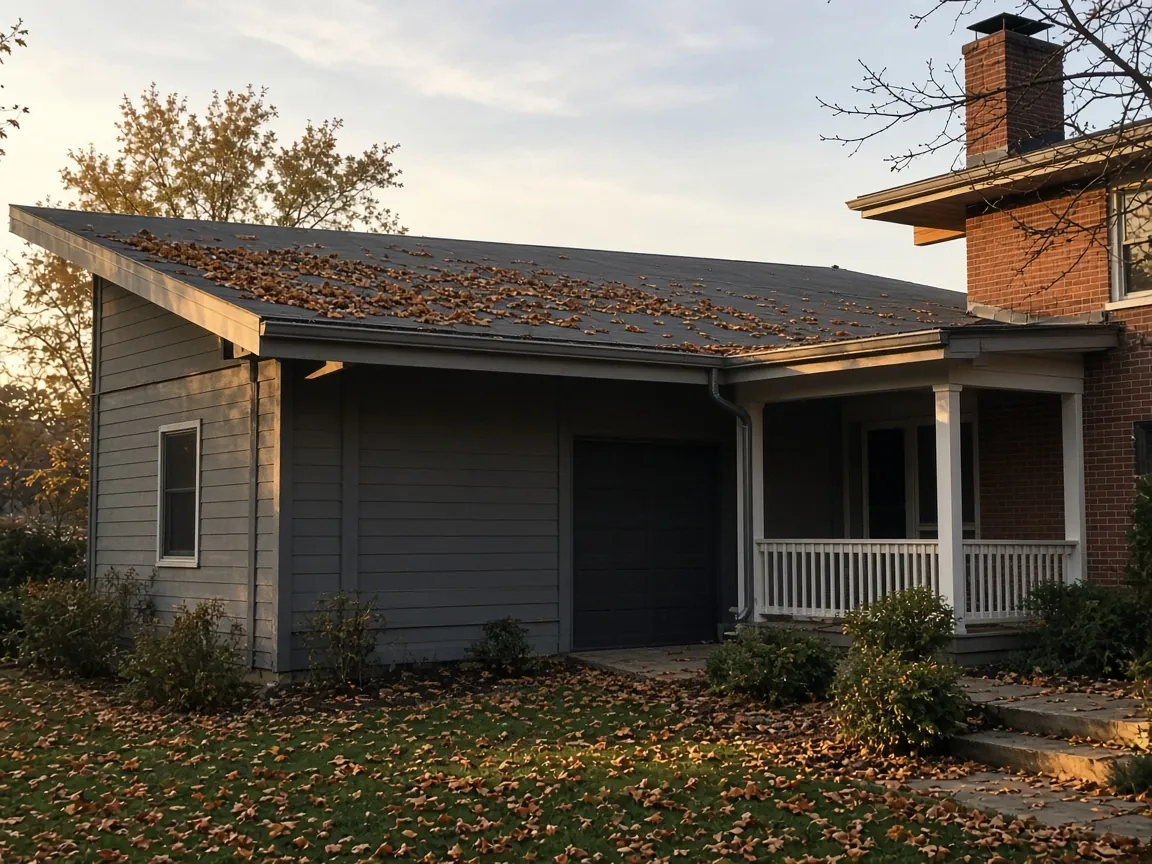
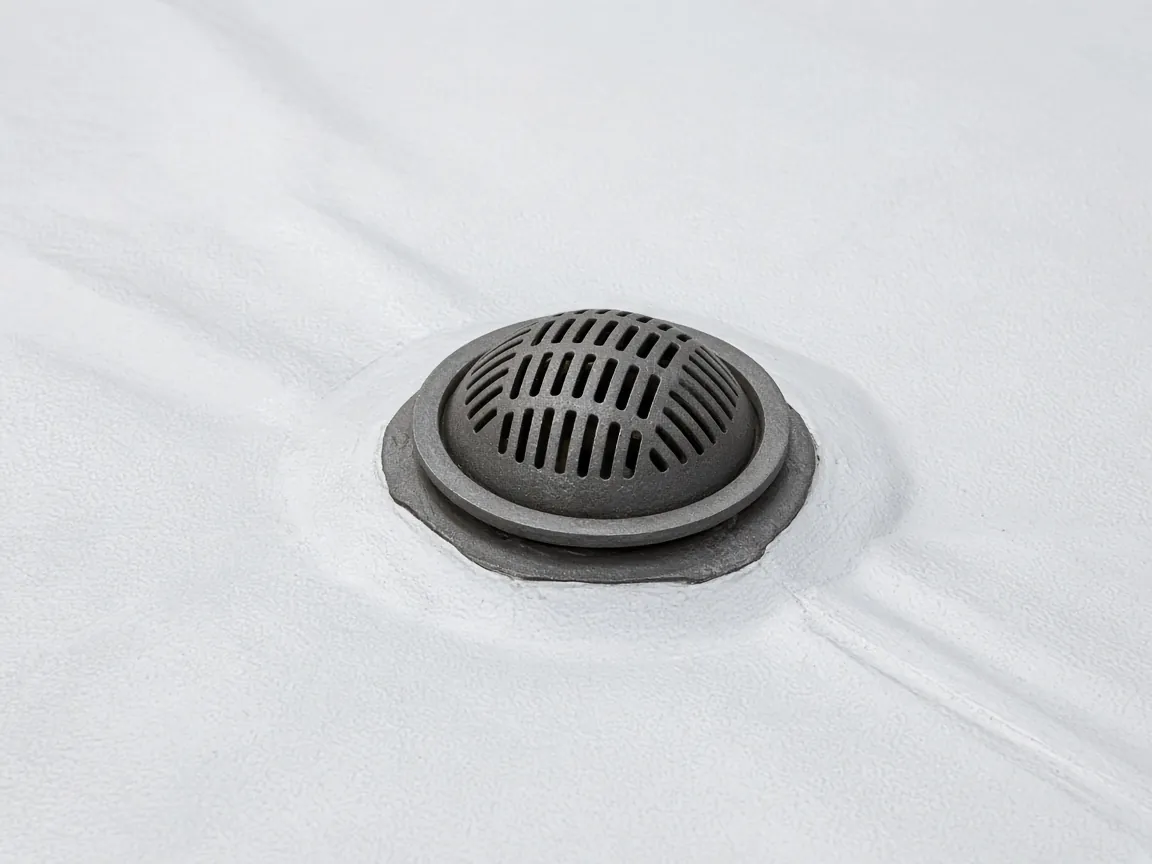
- Clear drains and gutters in late fall
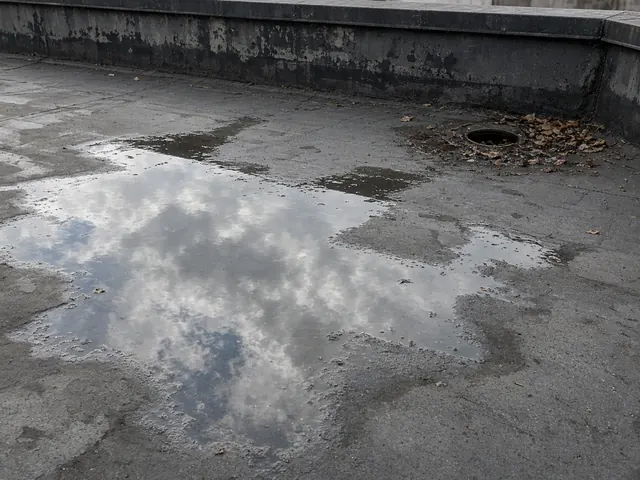
- Fix ponding areas before winter
- Consider heat cable at problem drains or scuppers (installed to manufacturer instructions)
- Improve insulation and air sealing to reduce uneven melting