How cool roofs work
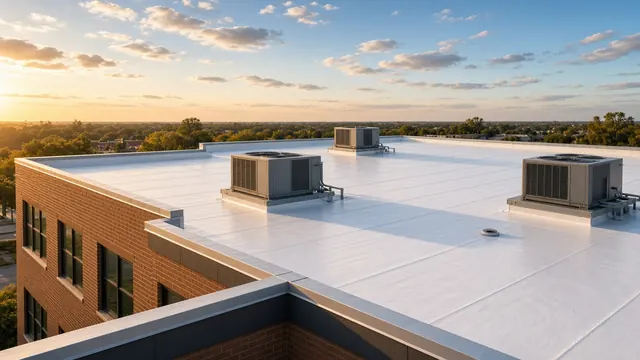
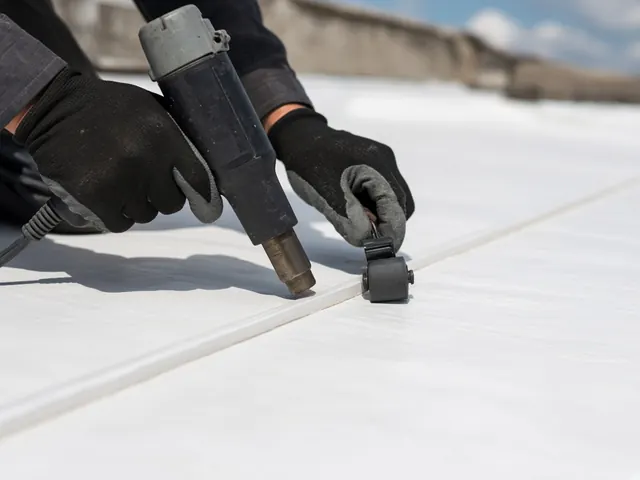
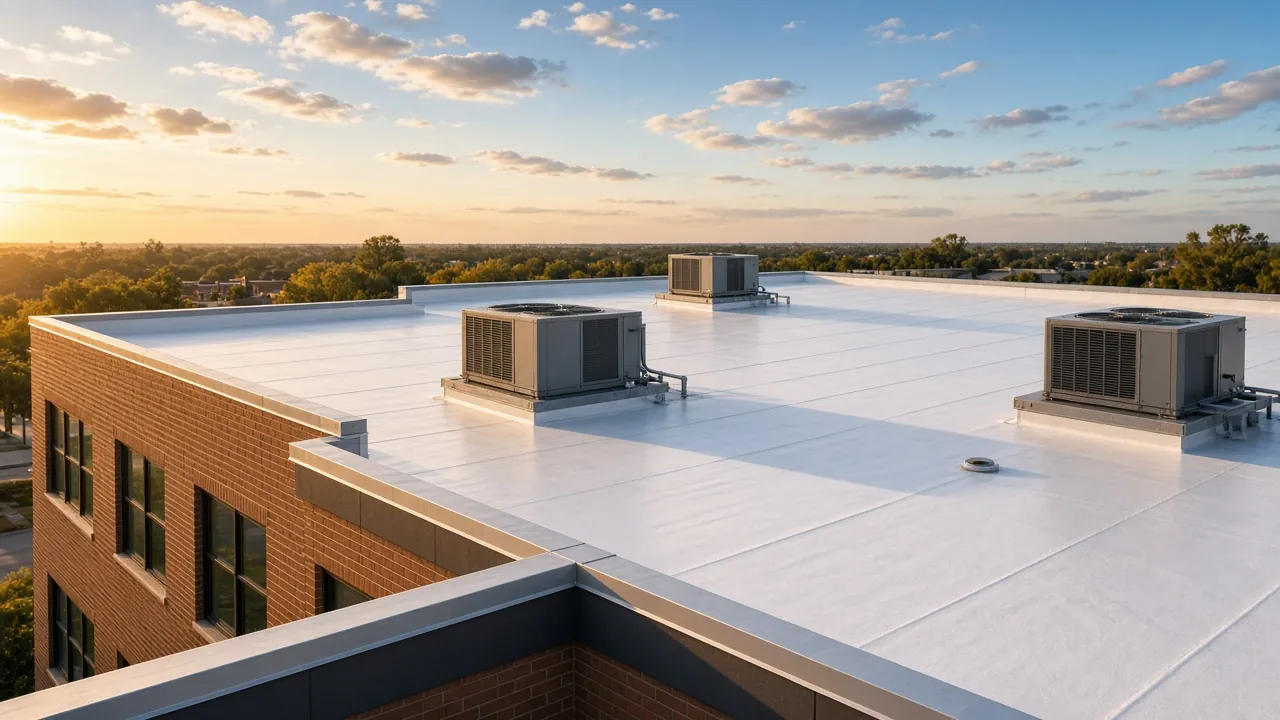
A cool roof reflects more sunlight and releases absorbed heat efficiently, so the surface runs cooler than a dark roof. That reduces heat flowing into the building and can lower air-conditioning demand. The U.S. Department of Energy's guide to cool roofs explains the physics and the choices.
Where they help most
- Hot, sunny climates with long cooling seasons
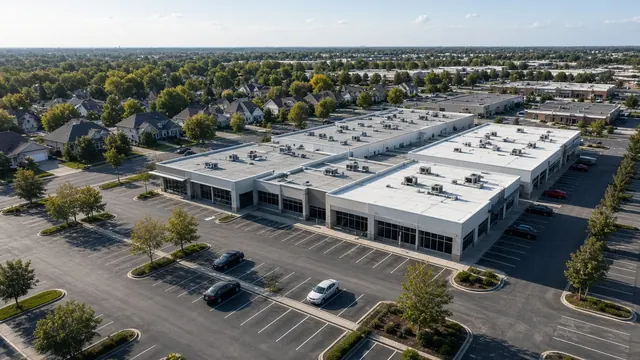
- Single-story buildings where the roof is a big share of the envelope
- Buildings with modest roof insulation
- Rooftop equipment areas, where cooler surroundings help
Ratings
The Cool Roof Rating Council publishes independently tested initial and aged solar reflectance and thermal emittance for roofing products. Ask for the rating of the exact product being quoted.
Trade-offs
In cold climates, some winter heat gain is lost; white roofs also show dirt and may need cleaning to keep reflectance. Condensation risk in some assemblies should be checked by a designer. For many US buildings the net effect is positive, but it's climate-specific.